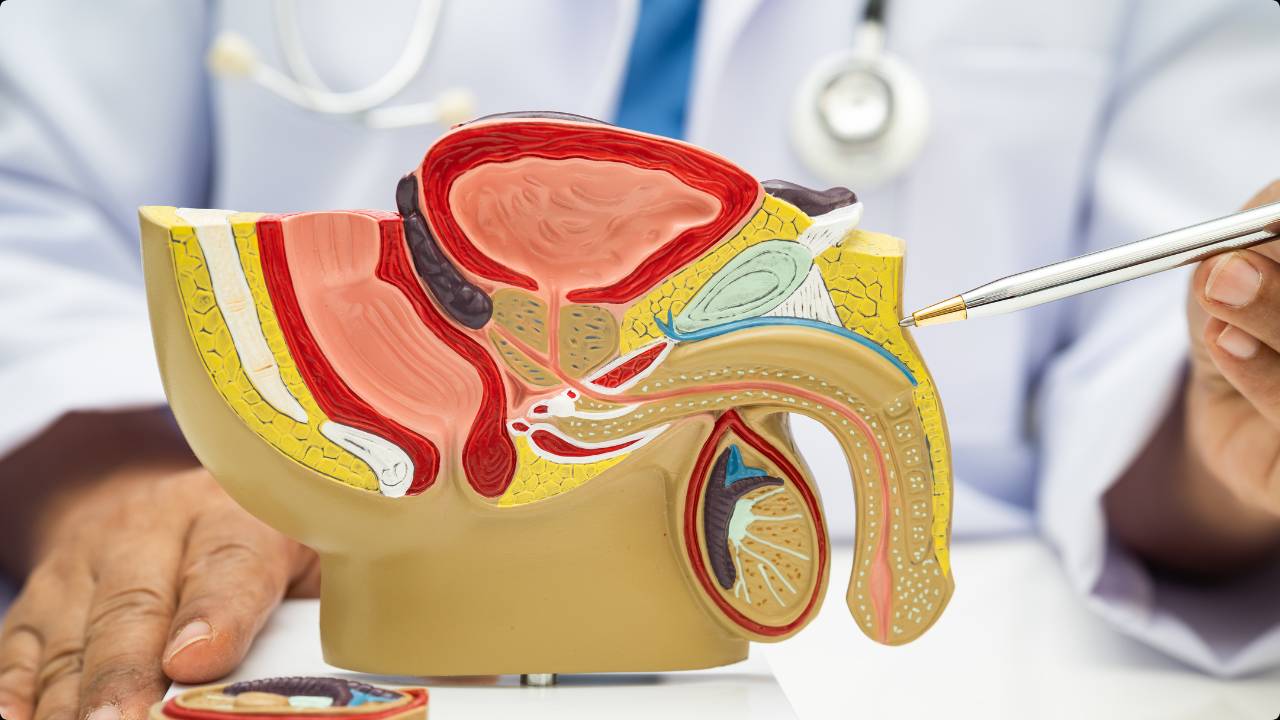
prostate specific antigen: The prostate, a vital component of male sexual health, requires lifelong attention as men age and face increased risks of developing conditions like prostate cancer and prostatitis.
According to the American Cancer Society, early prostate cancer often remains confined to the gland, classified as localized prostate cancer with excellent treatment outcomes, however, when cancer has spread beyond the prostate to surrounding tissues or distant organs, prognosis becomes more challenging. understanding the difference between cancer that has spread and localized disease is crucial for effective treatment planning.
Maintaining optimal prostate health through regular exercise, balanced nutrition, and quality prostate supplements can support overall wellness and potentially reduce disease risk.
While localized prostate cancer typically responds well to treatment, cases where cancer has spread beyond the prostate require more aggressive interventions.
Early detection remains paramount, as it allows healthcare providers to address prostate issues before they progress to advanced stages, preserving both prostate health and sexual health throughout a man's lifetime.
>>Discover A Method TO Support Your Prostate NaturallyUnderstanding Prostate Gland Health: Enlarged Prostate Problems and Prostate Cancer Symptoms
The prostate gland, a walnut-sized organ in men, plays a crucial role in reproductive health but can develop various complications with age.
Understanding prostate tissue changes is essential for early detection and proper cancer care, as one of the most common cancer types affecting men over 50, prostate cancer may develop silently without obvious early warning signs, enlarged prostate conditions, medically known as benign prostatic hyperplasia (BPH), affect millions of men worldwide.
This non-cancerous growth of prostate tissue can cause urinary difficulties, frequent nighttime urination, and weak urine flow, while BPH isn't life-threatening, it significantly impacts quality of life and requires proper medical evaluation.
Prostate cancer may manifest through subtle symptoms including difficulty urinating, blood in urine or semen, pelvic discomfort, and unexplained weight loss, early-stage prostate cancer often produces no symptoms, making regular screenings vital for men over 45.
Modern cancer care approaches include active surveillance, surgery, radiation therapy, and hormone treatments tailored to individual cases.
Regular prostate health monitoring, including PSA blood tests and digital rectal examinations, enables healthcare providers to distinguish between benign prostate tissue changes and potentially malignant growths.
Understanding these differences empowers men to seek appropriate medical attention when experiencing prostate related symptoms, ensuring timely intervention and optimal treatment outcomes for this common cancer.
What is the Prostate Gland?
The prostate is a small, walnut-sized gland located below the bladder in men, responsible for producing prostatic fluid that nourishes and protects sperm during ejaculation.
According to the National Cancer Institute, this essential prostate gland can develop abnormal prostate cancer cells that may cause symptoms including urinary difficulties, pelvic pain, and sexual dysfunction.
When cancer spreads within the prostate or to surrounding tissues, treatment may vary significantly based on the disease's extent and aggressiveness.
Early-stage cancers confined within the prostate often respond well to various therapies used to treat prostate conditions, including radiation, hormone therapy, or active surveillance. However, advanced cases may require surgery to remove the prostate entirely, known as radical prostatectomy.
Understanding prostate anatomy and function helps men recognize potential warning signs and seek appropriate medical evaluation when symptoms arise, ensuring timely intervention before cancer spreads beyond the gland's boundaries.
The Role of the Prostate in Male Reproductive Health
The prostate is very important for male reproductive health, it helps make seminal fluid, which is key for sperm health and fertility, it also helps control urine flow by surrounding the urethra.
Normal Prostate Development and Changes with Age
Prostate development changes with age, thanks to hormonal shifts. As men get older, the prostate can grow, impacting health, key changes include:
Prostate enlargement, which can start as early as the age of 40
Changes in prostate secretions, which can affect sperm health
Increased risk of prostate conditions, such as prostatitis or cancer
Knowing about these changes helps keep the prostate healthy and deal with any problems.
Common Prostate Problems and Conditions
Common prostate problems include benign enlargement and malignancies that starts in the prostate gland, Prostate cancer often develops silently, making early detection challenging.
Men at higher risk of prostate cancer include those over 65 and with family history, Prostate cancer usually grows slowly, but aggressive cancer growth requires immediate intervention.
To detect prostate cancer, doctors use PSA tests and biopsies, treatment options vary: radiation therapy for prostate cancer and surgery for prostate cancer are standard approaches.
The diagnosis of prostate cancer determines whether it's localized or prostate cancer that has spread, though the exact cause of cancer remains unknown.
Overview of Prostate Conditions
There are many prostate health problems, like prostatitis, BPH, and prostate cancer. These can make life hard and uncomfortable, for example, prostatitis makes the prostate inflamed, leading to pain and trouble with urination.
BPH, or an enlarged prostate, causes frequent urination and trouble starting or stopping, Prostate cancer is a big concern for men, it needs to be caught early to have a good chance of beating it.
How Prostate Problems Affect Quality of Life
Prostate issues can really mess with a man's life, they can cause physical pain and emotional stress, men with prostate problems often have trouble with urination and sex.
BPH can make men wake up to pee a lot, messing up their sleep. Treatments for prostate cancer can also hurt a man's sex life and overall happiness.
Warning Signs of Prostate Issues
It's important to know the signs of prostate problems early. Look out for trouble peeing, needing to pee a lot, especially at night, and pain or burning when you pee, men might also have trouble getting an erection or feel pain when they ejaculate, If you notice any of these signs, see a doctor right away, they can help figure out what's wrong and how to fix it.
By knowing about prostate problems and their signs, men can take care of their health, this helps keep their quality of life good.
Enlarged Prostate: Causes and Management
As men age, their prostate gland often grows, this can lead to symptoms that affect their daily life, this issue, known as Benign Prostatic Hyperplasia (BPH) or enlarged prostate, is common in older men.
Understanding Benign Prostatic Hyperplasia
Benign Prostatic Hyperplasia (BPH) is a non-cancerous growth of the prostate gland, it's a common problem for many men as they get older. It causes various urinary symptoms.
Symptoms of Enlarged Prostate
The symptoms of an enlarged prostate can vary but often include:
Frequent urination
Urgent need to urinate
Weak or interrupted flow of urine
Difficulty starting urination
These symptoms happen because the enlarged prostate presses against the urethra, this affects urine flow.
Treatment Options for BPH
There are several ways to manage BPH, from medications to surgery.
Medications for Enlarged Prostate:
Medications are often the first choice for treating BPH, they help relax the prostate and bladder muscles or shrink the prostate.
Alpha-blockers: Help relax the muscles in the prostate and bladder neck.
5-alpha-reductase inhibitors: Can shrink the prostate over time.
Surgical Interventions Including Transurethral Resection
When medications don't work, surgery might be needed, a common surgery is Transurethral Resection of the Prostate (TURP).
TURP removes parts of the prostate that block urine flow.
It's a very effective way to relieve BPH symptoms.
Managing an enlarged prostate well can greatly improve a man's life. Knowing the treatment options is key to making good choices.
Prostatitis: Inflammation of the Prostate
Prostatitis represents inflammation of the prostate, a condition affecting the prostate is a small gland located below the bladder in men, unlike cancer among men, prostatitis typically doesn't spread outside the prostate but causes significant discomfort including pelvic pain, urinary difficulties, and fever.
While people with prostate cancer face different challenges, prostatitis sufferers experience acute or chronic inflammatory symptoms that require distinct treatment approaches.
The prostate is a gland susceptible to various conditions, making accurate diagnosis crucial, healthcare providers must carefully look for cancer during prostatitis evaluation, as symptoms can overlap with malignancy signs.
Those at high risk of prostate cancer require thorough screening to diagnose and stage prostate cancer properly, distinguishing it from inflammatory conditions.
Treatment differs significantly from therapies used to treat prostate cancer, typically involving antibiotics, anti-inflammatory medications, and lifestyle modifications rather than oncological interventions for this non-malignant but painful condition.
Types of Prostate Inflammation
There are different types of prostatitis, like acute bacterial prostatitis and chronic prostatitis/chronic pelvic pain syndrome, each type needs its own way of being managed, chronic prostatitis/chronic pelvic pain syndrome is the most common. It's hard to diagnose and treat because of its complex nature.
Cause of Prostate Inflammation
Prostatitis can be caused by many things, bacterial infections are a big reason for acute and chronic bacterial prostatitis, but, non-bacterial prostatitis might come from immune system problems, neurological issues, or trauma to the pelvic area.
Treatment Approaches for Prostatitis
Treatment for prostatitis depends on what's causing it, for bacterial types, antibiotics are usually given, chronic types might need a mix of treatments, like pain relief and lifestyle changes, some doctors might suggest physical therapy or alternative medicine to help manage symptoms and improve life quality.
Understanding Prostate Cancer: The Basics
It's key for men to know about prostate cancer to stay healthy and lower their risk, this disease is complex, influenced by genetics, environment, and lifestyle.
Defining Prostate Cancer
Prostate cancer happens when abnormal cells in the prostate gland grow too much, this forms a tumor it's usually slow-growing but can spread if not caught early, early detection is crucial because it greatly improves treatment chances.
Types of Prostate Cancer
There are many types of prostate cancer, with adenocarcinoma being the most common, making up about 90% of cases, other rare types include small cell carcinoma, neuroendocrine tumors, and transitional cell carcinoma.
Adenocarcinoma: Originates in the glandular cells of the prostate.
Small cell carcinoma: A rare and aggressive form.
Neuroendocrine tumors: Rare tumors that can be benign or malignant.
Cause of Prostate Cancer
The exact cause of prostate cancer is still a mystery, it's thought to be a mix of genetic and environmental factors, age, family history, and certain genetic changes are known risks.
Cell Changes and Cancer Development
Cancer starts with changes in prostate cells, these changes can cause cells to grow out of control, forming a tumor, knowing about these changes helps in finding better treatments, Scientists are still learning about how genetics, lifestyle, and environment affect prostate cancer.
Recognizing Prostate Cancer Symptoms
Recognizing prostate cancer symptoms is crucial since prostate cancer is one of the most prevalent malignancies affecting men worldwide.
As the second most common cancer and second leading cause of cancer death in males, early detection significantly impacts treatment outcomes.
This common cancer among men often develops silently, making symptom awareness vital, early signs include urinary difficulties, blood in urine, pelvic discomfort, and erectile dysfunction, however, these symptoms don't necessarily mean you have prostate cancer, as benign conditions can cause similar issues.
Advanced symptoms may indicate cancer spreading to tissues near the prostate or distant organs, understanding that prostate cancer represents a serious form of prostate disease helps men seek timely medical evaluation.
While being the leading cause of cancer concern for many men, recognizing warning signs enables healthcare providers to distinguish between malignant and benign conditions through proper screening and diagnostic procedures.
Early Signs
Early signs of prostate cancer can look like other health issues, These might include:
Difficulty starting or stopping urination
Weak or interrupted urine flow
Frequent urination, especially at night
Pain or burning during urination
It's crucial to note that these symptoms are not exclusive to prostate cancer and can be caused by other conditions.
Advanced Disease Symptoms
When prostate cancer gets worse, symptoms can get more serious, you might experience:
Bone pain or discomfort
Pain in the lower back, hips, or pelvis
Weakness or numbness in the legs or feet
Loss of bladder or bowel control
Advanced prostate cancer can also cause weight loss, fatigue, and loss of appetite.
When to Seek Medical Attention
If you notice any unusual symptoms or worry about your prostate, see a doctor, a digital rectal exam (DRE) is often used to check for prostate issues, your doctor might also suggest a PSA test to check your prostate specific antigen levels.
Early detection and treatment can greatly improve your chances of beating prostate cancer, so, knowing the symptoms and talking to your doctor is very important.
Risk Factors for Prostate Cancer
Prostate cancer risk comes from genetics, environment, and lifestyle. Knowing these factors helps men understand their risk, it also guides them in taking steps to prevent it.
Age and Prostate Cancer Risk
Age is a big factor in prostate cancer risk. The risk grows after 50. Most prostate cancers are found in men over 65, as men get older, their prostate cells are more likely to mutate, this increases the chance of getting prostate cancer.
Family History and Genetic Factors
Having a family history of prostate cancer is a major risk factor, men with a family history, especially if it's in a young relative, are at higher risk, genetic mutations, like in BRCA1 and BRCA2, also raise the risk.
Lifestyle and Environmental Risk for Prostate Cancer
Lifestyle and environment can also affect prostate cancer risk. Eating a lot of red meat and dairy but not enough fruits and veggies increases risk, being overweight and not active also raises the risk of advanced prostate cancer, while these factors aren't as strong as age and family history, they're still important for health.
Understanding these risk factors helps men assess their personal risk. They can then talk to their doctor about screening and prevention.
Prostate Cancer Screening and Diagnosis
Knowing how to find prostate cancer early is crucial, there are several tests for early detection, these include PSA testing, digital rectal exams, and biopsies.
PSA Testing: Benefits and Limitations
PSA testing checks for prostate cancer through a blood test, it looks for the PSA protein in the blood, high levels might mean cancer, but could also show other issues, the test can find cancer early, which is good, but, it can also lead to false alarms and too many treatments.
Key benefits and limitations of PSA testing:
Early detection of prostate cancer
Potential for false positives
Risk of overdiagnosis and overtreatment
Digital Rectal Exam: What to Expect
A digital rectal exam (DRE) is a physical check, a healthcare provider uses a finger to feel the prostate gland, this can find problems, like cancer.
What to expect during a DRE:
A healthcare provider will perform the exam
The exam may cause minor discomfort but is generally not painful
Results are used in conjunction with PSA testing for a more accurate diagnosis
Prostate Biopsy Procedures
A prostate biopsy takes small samples of tissue, these are then checked for cancer cells.
Interpreting Biopsy Results
Biopsy results show if there's cancer and its type, knowing this helps decide the best treatment.
Key aspects of biopsy results:
Gleason score: indicates the aggressiveness of the cancer
Cancer stage: indicates the extent of the cancer
Margin status: indicates whether cancer cells are present at the edge of the biopsy sample
Options prostate cancer treatment
Options for prostate cancer treatment vary significantly based on disease stage, patient age, and overall health status, men who develop prostate cancer have multiple therapeutic pathways available, from active surveillance for low risk cases to aggressive interventions for advanced disease.
Understanding individual risk of developing prostate cancer helps guide appropriate treatment selection, modern treatment options include surgery, radiation therapy, hormone therapy, chemotherapy, and immunotherapy, factors like tumor grade, PSA levels, and cancer spread determine optimal approaches.
Consulting with oncology specialists ensures personalized treatment plans that balance cancer control with quality of life preservation for each patient's unique circumstances.
Surgical Intervention for Prostate Cancer
Surgery is a common choice for prostate cancer, especially if it's caught early, the main surgery is called a radical prostatectomy, it removes the prostate gland and some nearby tissue, this surgery can be done in different ways, like open surgery, laparoscopic surgery, or robotic-assisted surgery.
Surgery's benefits include possibly removing the cancer completely, This can cure the cancer if it's caught early, but, surgery can also lead to problems like not being able to control your urine or having trouble getting an erection.
Radiation Therapy Approaches
Radiation therapy is another effective way to treat prostate cancer, It uses high energy rays to kill or slow cancer cells, there are two main types: external beam radiation therapy (EBRT) and brachytherapy.
EBRT sends radiation from outside the body and can target the prostate precisely.
Brachytherapy places small radioactive seeds inside the prostate gland.
Radiation therapy can be used alone or with other treatments, like hormone therapy.
Hormone Therapy for Prostate Cancer
Hormone therapy, or androgen deprivation therapy (ADT), lowers male hormones that help cancer grow, this can be done with medications or surgery, this therapy is often used for advanced cancer or with other treatments for early-stage cancer.
Other Treatment Modalities
Other options include chemotherapy, immunotherapy, and targeted therapy, these treatments target specific cancer cells or help your body fight cancer.
Active Surveillance for Early-Stage Prostate Cancer
For men with low-risk or early-stage cancer, active surveillance might be a good choice, it means watching the cancer closely with regular tests and biopsies, without immediate treatment.
Active surveillance is best for men with low-risk cancer, it helps them avoid or delay the side effects of more aggressive treatments.
Managing Advanced and Metastatic Prostate Cancer
When prostate cancer gets worse, patients need a special treatment plan, this plan should fit their unique needs, Advanced prostate cancer, or metastatic prostate cancer if it spreads, needs a detailed management plan.
Treatment Approaches for Advanced Prostate Cancer
There are many ways to treat advanced prostate cancer, these include:
Hormone therapy to lower testosterone levels
Chemotherapy to kill cancer cells
Targeted therapy to target cancer traits
Immunotherapy to strengthen the immune system
Choosing the right treatment depends on many things, these include the patient's health, cancer stage, and past treatments.
Coping with Metastatic Prostate Cancer
Dealing with metastatic prostate cancer can be tough, but, there are ways to make symptoms better and improve life quality, these include:
Pain management with medicine and other methods
Physical therapy to keep moving and strong
Nutritional advice to eat well
Emotional support from counseling and groups
Emerging Therapies for Late-Stage Disease
New research brings hope for advanced prostate cancer. Some promising areas include:
PARP inhibitors for certain genetic mutations
Immunotherapies, like checkpoint inhibitors
Targeted therapies for specific cancer traits
Castration-Resistant Prostate Cancer Management
Castration-resistant prostate cancer (CRPC) is hard to manage, it keeps growing even with hormone therapy, ways to manage CRPC include:
Trying different hormone therapies
Using chemotherapy or targeted therapies
Joining clinical trials for new treatments
It's crucial for CRPC patients to team up with their healthcare team, Together, they can find the best treatment.
Maintaining Prostate Health: Prevention Strategies
Keeping your prostate healthy is key to feeling good, there are many ways to do this, changing your lifestyle, getting regular check-ups, and making smart diet and exercise choices are all important.
Dietary Recommendations for Prostate Health
Eating foods like fruits, vegetables, and whole grains is good for your prostate, some foods are especially helpful, such as:
Tomatoes: They're full of lycopene, which might help prevent prostate issues.
Berries: They're packed with antioxidants and vitamins that boost health.
Fatty Fish: They have omega-3s, which fight inflammation.
Nuts and Seeds: They're full of healthy fats and antioxidants.
Exercise and Physical Activity Benefits
Staying active is also crucial for prostate health. Exercise can:
Lower prostate cancer risk: Active men might have a lower chance of getting prostate cancer.
Boost overall health: It helps manage weight, lowers disease risk, and improves mood.
Improve urinary function: It can help with symptoms of an enlarged prostate.
Regular Screening and Check-ups
Getting screened regularly is vital for catching prostate issues early. This includes:
PSA testing: A blood test that checks for prostate specific antigen levels.
Digital Rectal Exam (DRE): A physical exam that can spot abnormalities.
Lifestyle Modifications to Reduce Risk
Other lifestyle changes can also lower prostate problem risk, these include:
Maintaining a healthy weight: Being overweight can increase prostate cancer risk.
Managing stress: Too much stress can harm your health.
Avoiding smoking: Smoking raises prostate cancer and other health risks.
Top Supplements for Prostate Health
Prostate health is key for men, and the right supplements can help, as men get older, the risk of prostate problems grows, it's important to take steps to prevent these issues.
Evidence-Based Supplements
Some supplements have shown promise in supporting prostate health. Evidence-based supplements have scientific proof of their effectiveness.
Saw Palmetto: It may help with urinary symptoms from an enlarged prostate.
Zinc: This mineral is vital for prostate health and the immune system.
Omega-3 Fatty Acids: These fats can reduce the risk of prostate problems.
Saw Palmetto and Other Herbal Options
Herbal supplements like saw palmetto are used to support prostate health, Saw palmetto may ease symptoms of benign prostatic hyperplasia (BPH).
Other herbs that may help prostate health include:
Pygeum
Stinging Nettle
Beta-Sitosterol
Vitamins and Minerals for Prostate Support
Vitamins and minerals are crucial for prostate health, key nutrients include:
Vitamin D: It's good for overall health and may help the prostate.
Selenium: This antioxidant may lower the risk of prostate cancer.
Lycopene: Found in tomatoes, it may protect the prostate.
Evaluating Supplement Quality and Safety
Choosing the right prostate supplements is important. Look for products that are:
From reputable companies
Third-party tested for quality
Follow FDA rules
Always talk to a healthcare professional before starting any new supplements.
Living with Prostate Conditions: Quality of Life Considerations
Prostate conditions can really change a man's life, it's important to know how to handle them to keep a good quality of life.
Managing Urinary Symptoms
Urinary symptoms are common for men with prostate issues, making lifestyle changes can help, this includes drinking the right amount of water and avoiding things like caffeine and alcohol, Medications and other treatments can also help with symptoms.
Sexual Health and Prostate Conditions
Prostate conditions can affect a man's sex life, causing problems like erectile dysfunction, it's key to talk to a doctor about treatment options, some treatments, including medications and therapy, can help with sexual health issues.
Emotional and Psychological Support
Dealing with prostate conditions can be tough on a man's mind. Getting support is crucial for mental health, Support groups and resources are great for this.
Support Groups and Resources
Being part of a support group can make a big difference, it offers a sense of community and understanding, many organizations provide counseling and educational materials to help men deal with prostate conditions. Some notable resources include:
Online forums and support groups
Local prostate cancer support groups
Educational materials from reputable health organizations
Using these resources and support systems can help men with prostate conditions manage their health, this way, they can keep a good quality of life.
Conclusion: Taking Control of Your Prostate Health
Knowing about the prostate gland is key to staying healthy, it helps us spot common problems early, this way, we can act fast to prevent or manage them.
Being aware of prostate cancer and other issues is important, regular check-ups, a good diet, and a healthy lifestyle help a lot, these steps keep your prostate in good shape.
Staying informed and talking to your doctor is crucial, this way, you can make smart choices about your prostate health, it helps lower the risk of prostate problems and boosts your life quality.
Looking after your prostate is a big responsibility, it needs focus, learning, and a commitment to healthy living, by doing so, men can keep their health and independence as they get older.
FAQ
What is the prostate gland and its function?
The prostate gland is a small, walnut-sized gland in men, it makes fluids for semen and helps control urine flow.
What are the common prostate problems?
Common issues include prostatitis, BPH, and prostate cancer, these can affect your quality of life and need medical care.
What is benign prostatic hyperplasia (BPH)?
BPH is when the prostate gland grows too big, it can cause weak urine flow, frequent need to urinate, and waking up to pee at night.
What are the symptoms of prostate cancer?
Early signs of prostate cancer are weak urine flow, needing to pee a lot, and painful urination, later signs include bone pain, weight loss, and feeling tired.
What are the risk factors for prostate cancer?
Risk factors include age, family history, and lifestyle, diet and exercise level also play a role.
How is prostate cancer diagnosed?
Doctors use PSA tests, digital rectal exams, and biopsies to find and stage prostate cancer.
What are the treatment options for prostate cancer?
Treatments are surgery, radiation, hormone therapy, and active surveillance, the choice depends on the cancer's stage and aggressiveness.
How can I maintain prostate health?
Eat right, exercise, and get regular check-ups, managing urinary and sexual health is also important.
Are there any supplements that can support prostate health?
Supplements like saw palmetto, vitamins, and minerals might help, but, make sure they are safe and of good quality.
How do prostate conditions affect quality of life?
Prostate issues can affect how you pee, your sex life, and your mood, getting help to manage these problems is key to a good quality of life.
What is the importance of regular prostate screening?
Regular screenings are vital for catching prostate problems early, this can lead to better treatment outcomes.
Can lifestyle changes help prevent prostate problems?
Yes, eating well, exercising, and not smoking can lower your risk of prostate issues, including cancer.
>>Discover A Method TO Support Your Prostate NaturallyPosted by Julia Ramirez - Health Tips